Buying used farm equipment can be one of the smartest financial decisions a producer makes, or one of the most expensive mistakes, depending on how carefully you evaluate the machine before signing. For Missouri farmers and ranchers looking to stretch their equipment budget without sacrificing reliability, knowing what to inspect (and what red flags to walk away from) makes all the difference.
Start With Hours and Maintenance History
Just like mileage on a vehicle, hours of use tell you a lot about a piece of equipment’s remaining lifespan. But hours alone don’t tell the whole story — a tractor with higher hours but a documented maintenance history of regular oil changes, filter replacements, and fluid checks can be a better buy than a low-hour machine that’s been neglected.
Ask the seller for maintenance records whenever possible. A dealer-serviced machine, or one with receipts for regular upkeep, gives you real confidence in what you’re buying. If a private seller can’t produce any service history, that’s not necessarily a dealbreaker, but it does mean you should budget extra time for a thorough physical inspection before you commit.
Ask About Usage Type
How a machine was used matters as much as how long it was used. Equipment that spent its life on flat, easy ground doing light-duty work will generally show less wear than a comparable machine that worked steep terrain, heavy soil, or extended daily hours. Ask what the equipment was primarily used for, and whether it was stored inside or left exposed to Missouri’s weather swings.
Inspect Engine, Hydraulics, and Drivetrain Closely
The engine, hydraulic system, and drivetrain are the most expensive components to repair or replace, which makes them the most important to check thoroughly before purchase. Start the engine cold if possible; a healthy engine should start without excessive smoke, unusual noise, or hesitation. Listen for knocking sounds and watch the exhaust color, since blue or heavy black smoke can indicate deeper engine issues.
Cycle the hydraulics through their full range, loaders, three-point hitches, and any attachments, checking for smooth, responsive movement without jerking, delayed response, or visible fluid leaks around hoses and cylinders. On tractors and larger equipment, check the drivetrain for excessive play, unusual vibration, or noise during operation.
 Check Tires, Undercarriage, and Structural Components
 Check Tires, Undercarriage, and Structural Components
Tires and tracks are expensive to replace and often overlooked in a quick walkaround inspection. Look closely at tread wear patterns, sidewall cracking, and overall condition, factoring replacement costs into your offer if they’re showing significant wear. For tracked equipment, examine the undercarriage carefully, since track and roller replacement can be a substantial expense.
Beyond tires, inspect the frame and structural components for cracks, previous weld repairs, or rust that’s more than surface-deep. A frame repair isn’t automatically a dealbreaker, but it should factor into your price negotiation and prompt questions about how and why the damage occurred in the first place.
Don’t Skip a Test Run Under Load
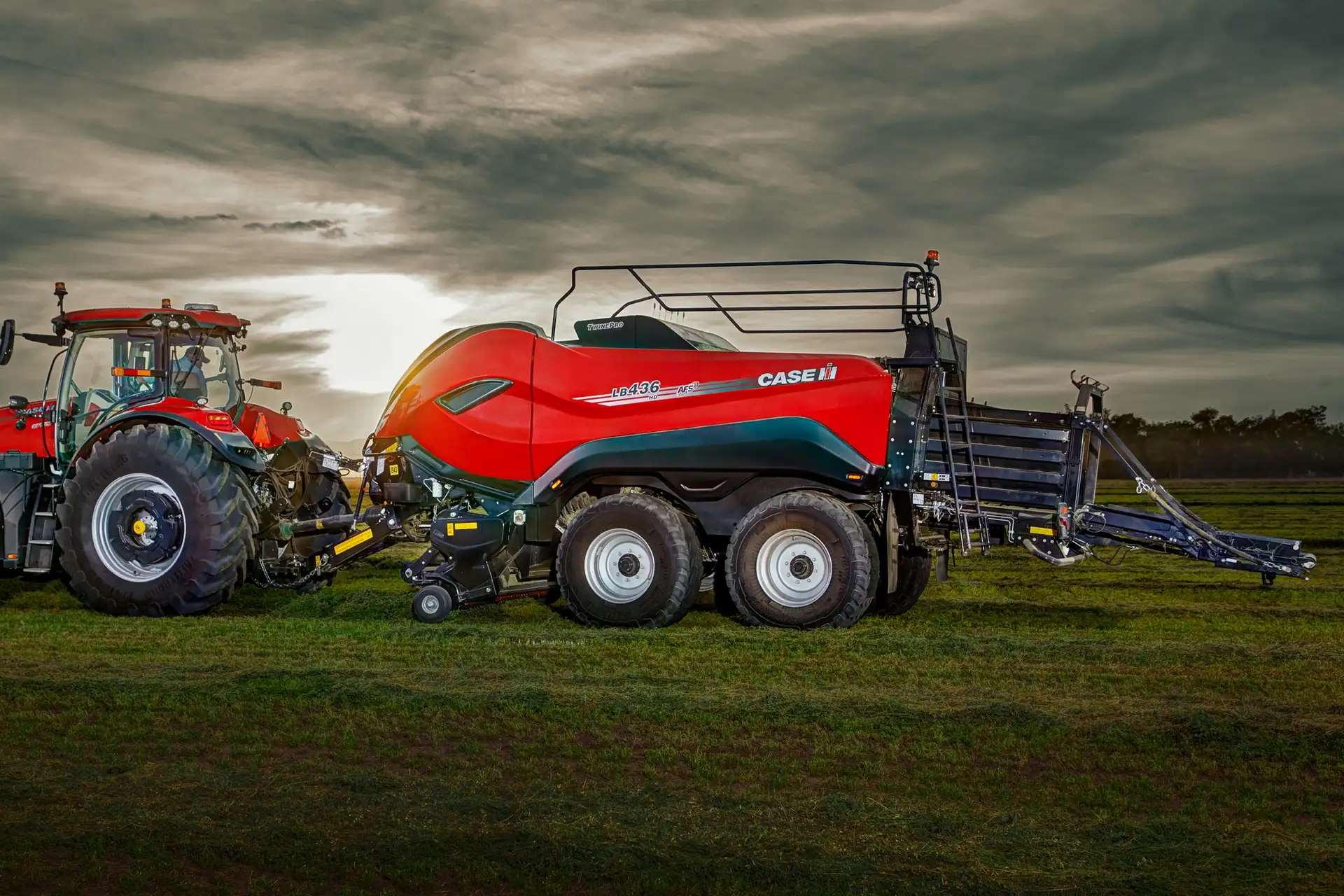
Whenever possible, test the equipment doing something close to the actual work you’ll be using it for, not just idling in a lot. A tractor should be tested pulling an implement; a baler should ideally be run through a few bales. Problems with power delivery, overheating, or mechanical strain often only show up under real working conditions.
Verify Paperwork, Warranty Status, and Recalls
Before finalizing any used equipment purchase, confirm clear title and ownership history, particularly for higher-value machines. If the equipment is still within its original manufacturer warranty period, find out whether that warranty is transferable to a new owner, since this can add real value to the purchase.
It’s also worth checking whether there are any open manufacturer recalls or service bulletins for that specific model and year. A reputable dealer will typically flag this information upfront, but it’s worth confirming independently for private-party purchases.
Why Buying From a Trusted Dealer Makes a Difference
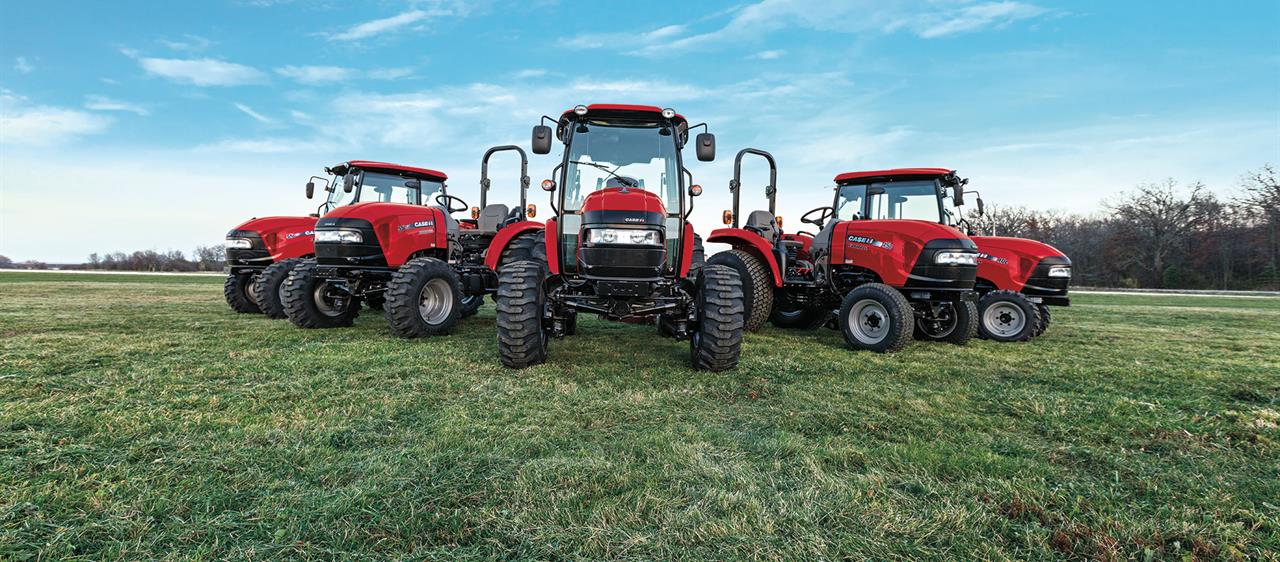
Private-party used equipment sales can offer good deals, but they also put the entire burden of inspection and risk assessment on the buyer. Purchasing through an established dealer like Crown Power & Equipment means the equipment has typically already been inspected, serviced, and evaluated by technicians who know exactly what to look for across Case IH, Kubota, and Cub Cadet lines.
Dealers can also often offer financing options, limited warranties on used equipment, and ongoing parts and service support that a private sale simply can’t match, an important consideration for Missouri producers who need equipment they can count on through planting, haying, and harvest season.
Final Thoughts
Buying used farm equipment doesn’t have to be a gamble if you know what to inspect and ask the right questions upfront. From engine and hydraulic checks to maintenance history and paperwork, a careful evaluation now can save you significant repair costs and downtime later.
If you’re shopping for used equipment across Central and Southern Missouri, the team at Crown Power & Equipment can help you find a reliable machine backed by real service history and support. Visit crown-power.com to browse current used inventory.