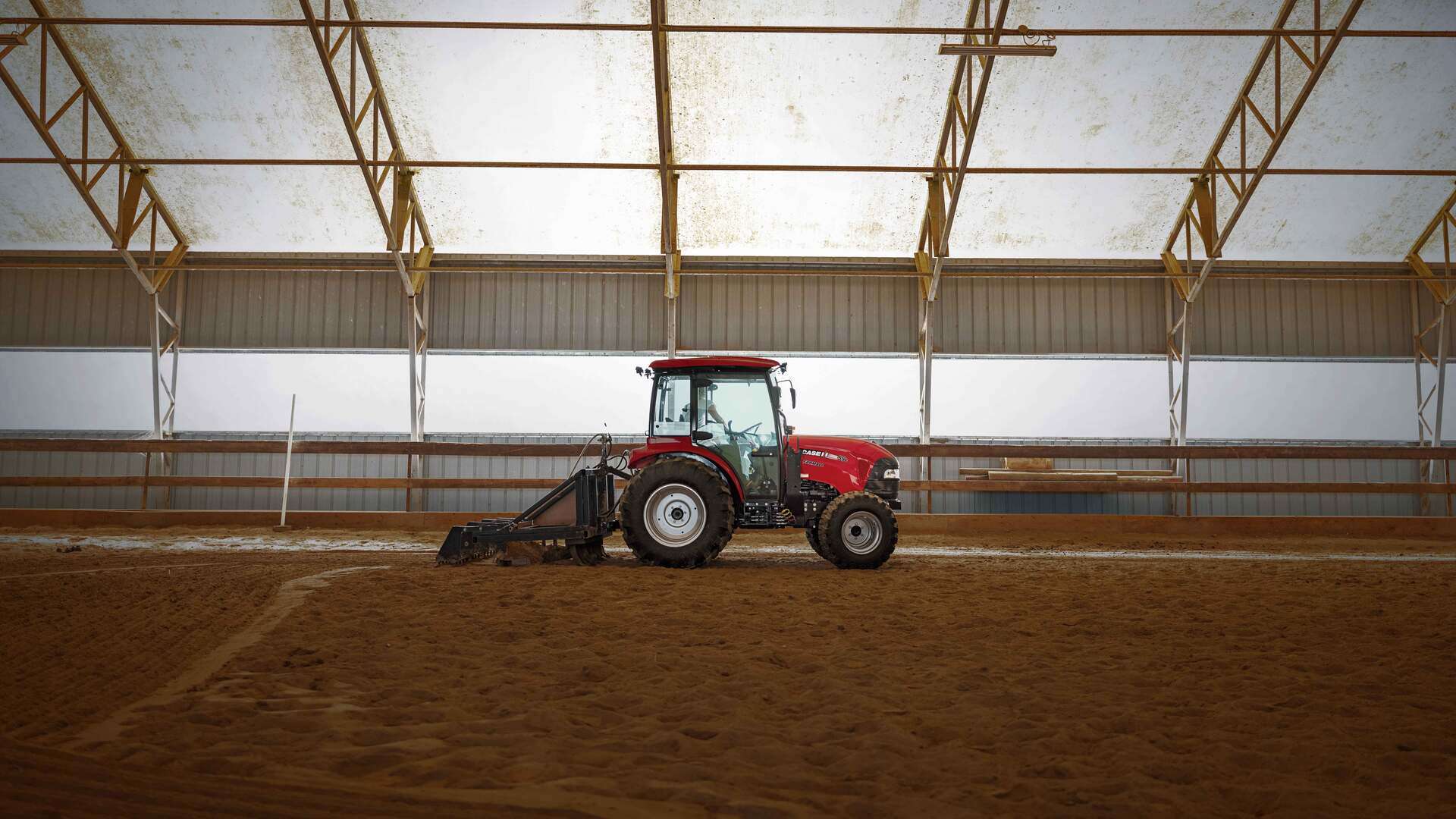
Choosing between Case IH and Kubota for a mid-size utility tractor is one of the most common decisions Missouri producers face, and it’s rarely a simple “one brand is better” answer. Both manufacturers build reliable, capable machines, but they take slightly different approaches that make each a better fit depending on your specific operation. Here’s an honest look at how the two compare.
Power, Performance, and Build Philosophy
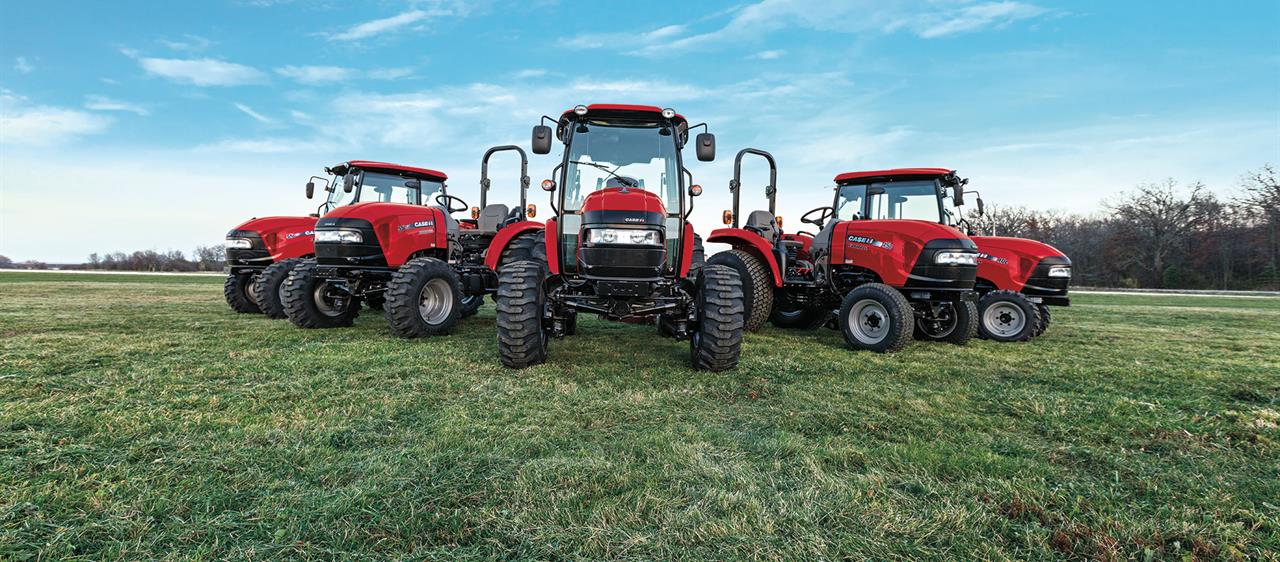
Case IH’s mid-size utility tractors, including popular lines like the Farmall and Maxxum series, tend to emphasize raw power and heavier-duty build quality, appealing to producers who need a tractor that can handle demanding fieldwork, larger implements, and longer duty cycles across bigger acreage. These tractors are often chosen by row-crop and livestock operations that need a workhorse capable of pulling significant loads day after day.
Kubota’s mid-size tractors, such as the M-series, have built a strong reputation for smooth operation, fuel efficiency, and a more refined operator experience. Kubota has historically focused heavily on comfort features, ease of use, and reliability for diversified farms, hobby operations, and mid-size livestock producers who value a tractor that’s simple to operate and easy to maintain.
Horsepower Range Considerations
Both brands offer strong overlap in the 70-140 horsepower mid-size range, which covers the bulk of what Central and Southern Missouri producers need for hay work, loader work, and general farm tasks. The right horsepower depends less on brand and more on your specific implements, terrain, and typical workload, something worth discussing directly with an equipment specialist who knows your operation.
Comfort, Cab Features, and Operator Experience
If you’re spending long hours in the seat, cab comfort matters more than many buyers initially expect. Kubota has generally earned strong marks for cab quietness, ergonomic controls, and overall ride comfort, features that make a real difference during long haying or fieldwork days. Case IH has closed much of this gap in recent tractor generations, offering improved cab designs, better visibility, and more intuitive control layouts than older models.
For producers who will spend extensive time operating the tractor daily, it’s worth test-driving both brands directly rather than relying solely on spec sheets, since comfort preferences can be fairly personal.
 Reliability, Parts Availability, and Local Service
 Reliability, Parts Availability, and Local Service
Reliability is where both brands generally perform well, though the more practical consideration for Missouri producers often comes down to local parts availability and service support. A tractor is only as good as your ability to keep it running through planting, haying, and harvest, which means having a dealer who stocks common parts and can provide timely service matters just as much as the machine itself.
This is one of the strongest arguments for buying from a dealer that carries both Case IH and Kubota lines, since you get an honest comparison based on what actually works well in Central and Southern Missouri conditions, backed by local parts and service support regardless of which brand you choose.
Resale Value Considerations
Both Case IH and Kubota tractors tend to hold value reasonably well when properly maintained, though resale value can vary by specific model and regional demand. Producers planning to trade in or sell their tractor down the road should factor in how well-represented each brand is in the local used equipment market.
Price and Total Cost of Ownership
Sticker price is only part of the equation. Total cost of ownership includes routine maintenance costs, parts pricing, fuel efficiency, and how the tractor holds up to your specific workload over its lifespan. Kubota tractors have often been positioned competitively on upfront price with strong fuel efficiency, while Case IH tractors, particularly in higher horsepower configurations, may carry a higher upfront cost but deliver more capability for heavy-duty, high-acreage work.
The right way to compare total cost isn’t just sticker price versus sticker price, but rather matching the tractor’s capability to your actual workload so you’re not overpaying for capacity you don’t need, or underbuying and straining a machine beyond its intended use.
Which Tractor Is Right for Your Operation?
If your operation demands heavy-duty, high-horsepower performance for large-scale row crop or hay operations, Case IH’s mid-size lineup is worth serious consideration. If you prioritize operator comfort, fuel efficiency, and ease of use for diversified or mid-size operations, Kubota’s M-series tractors are consistently strong performers.
The honest answer for most Missouri producers is that both brands can do the job well, and the better question isn’t “which brand is best” but “which specific model matches my acreage, implements, and daily workload.”
Final Thoughts
Both Case IH and Kubota build genuinely reliable mid-size utility tractors, and the right choice comes down to your operation’s specific power needs, comfort preferences, and budget. Rather than choosing based on brand loyalty alone, it pays to compare real specifications against your actual farm requirements.
Crown Power & Equipment carries both Case IH and Kubota, giving Central and Southern Missouri producers an honest, side-by-side comparison backed by local sales and service support. Visit crown-power.com to explore current inventory and talk with our equipment specialists about which tractor fits your farm.