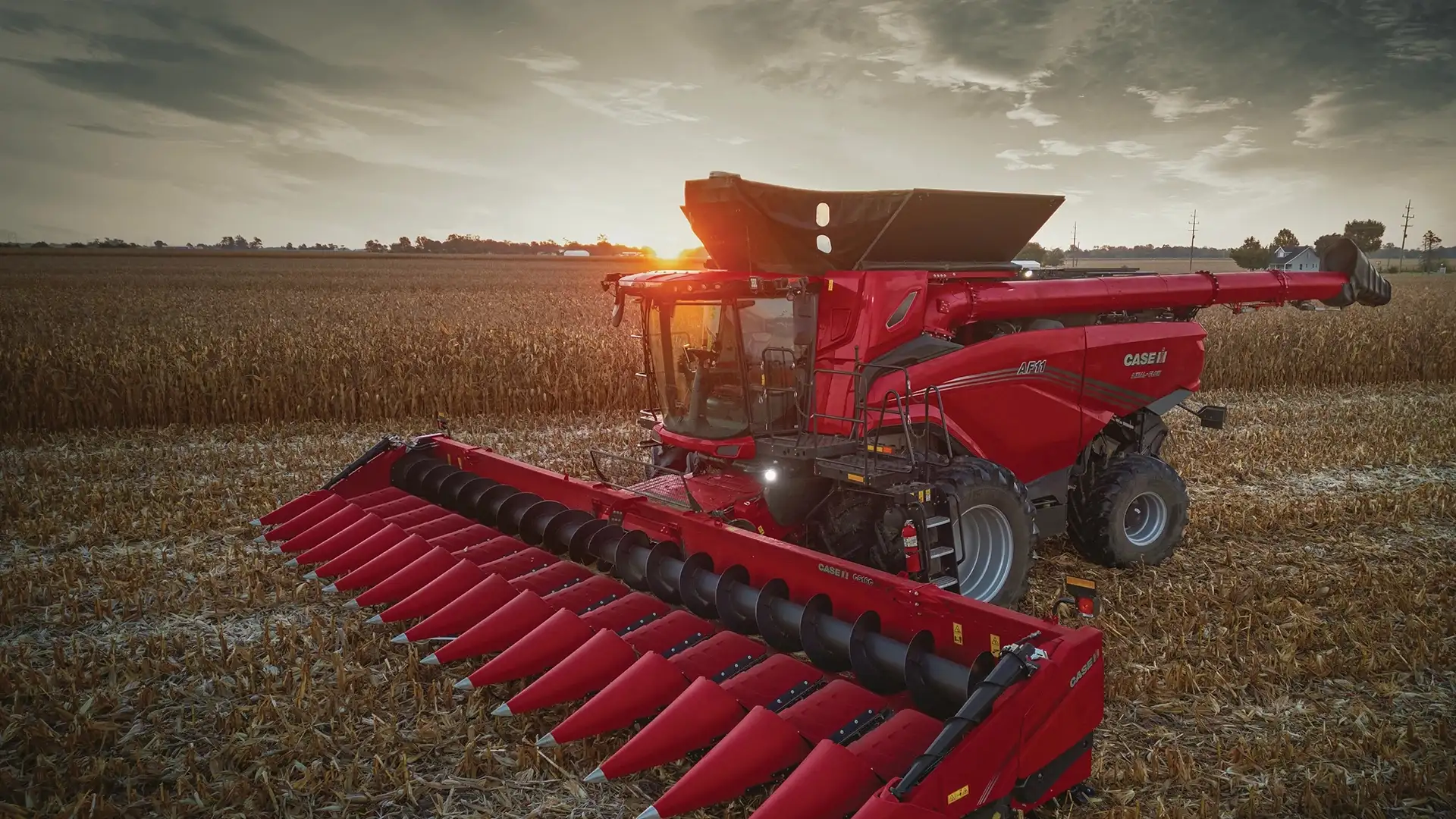
Harvest season doesn’t leave much room for downtime. A breakdown in the middle of a narrow weather window can cost far more than the repair itself once you factor in lost days and crop quality risk. Taking time now to prepare your combine properly can mean the difference between a smooth harvest and a stressful scramble for parts and service. Here’s what Missouri producers should check before the header ever touches a field.
Start With a Full Mechanical Inspection
Before harvest ramps up, walk your combine from front to back with a genuinely critical eye. Check belts and chains for cracking, fraying, or excessive slack, and replace anything showing significant wear rather than hoping it holds for one more season. Inspect bearings throughout the machine for play or unusual noise when rotated by hand, since a failed bearing mid-harvest can take down an entire system until it’s replaced.
Look closely at the concave and cylinder or rotor components for wear, since these directly affect threshing quality and grain loss. Worn components here don’t always cause an obvious breakdown, but they can quietly reduce your harvest efficiency and leave grain in the field without you realizing it until yield numbers come back lower than expected.
Check Fluids and Filters
Change engine oil, hydraulic fluid, and filters according to the manufacturer’s service schedule, even if the combine sat unused for months since last season. Old fluid and clogged filters are common, preventable causes of engine and hydraulic problems that show up at the worst possible time. Don’t forget to inspect and, if needed, replace air filters, since a clogged air filter reduces engine performance and efficiency right when you need full power.
Inspect the Header Thoroughly
The header takes more abuse than almost any other part of the combine, and problems here directly affect how much crop you’re actually collecting versus leaving behind. Check cutting knife sections for dullness or damage, and inspect guards for wear or bending. A header that isn’t cutting cleanly leads directly to yield loss, something no producer wants to discover after the fact.
Check the reel timing and speed adjustments, along with auger flighting for wear, particularly if you’re running the same header across multiple crop types this season. For corn heads, inspect gathering chains, snap rolls, and stalk rolls closely, since these components see heavy wear and directly impact how cleanly the combine handles down or tangled stalks.
Test Electrical Systems and Monitors
Modern combines rely heavily on electronic monitoring systems for yield mapping, header height control, and overall machine performance. Before harvest begins, verify that all sensors, displays, and monitors are functioning correctly and calibrated properly. A malfunctioning yield monitor won’t stop you from harvesting, but it will cost you valuable data that informs decisions for next season’s planting and input choices.
Check all exterior lighting as well, since harvest often means working into the evening or early morning hours to take advantage of good weather windows. Faulty lights aren’t just an inconvenience; they’re a real safety issue when operating heavy equipment on rural roads or in low visibility.
Don’t Skip the Tires and Undercarriage
Combine tires carry enormous loads across variable field conditions. Check tread depth, sidewall condition, and proper inflation pressure, since improperly inflated tires affect both fuel efficiency and how well the machine handles wet or uneven ground. If you’re running tracks, inspect for wear and proper tension.
Stock Up on Wear Parts Before You Need Them
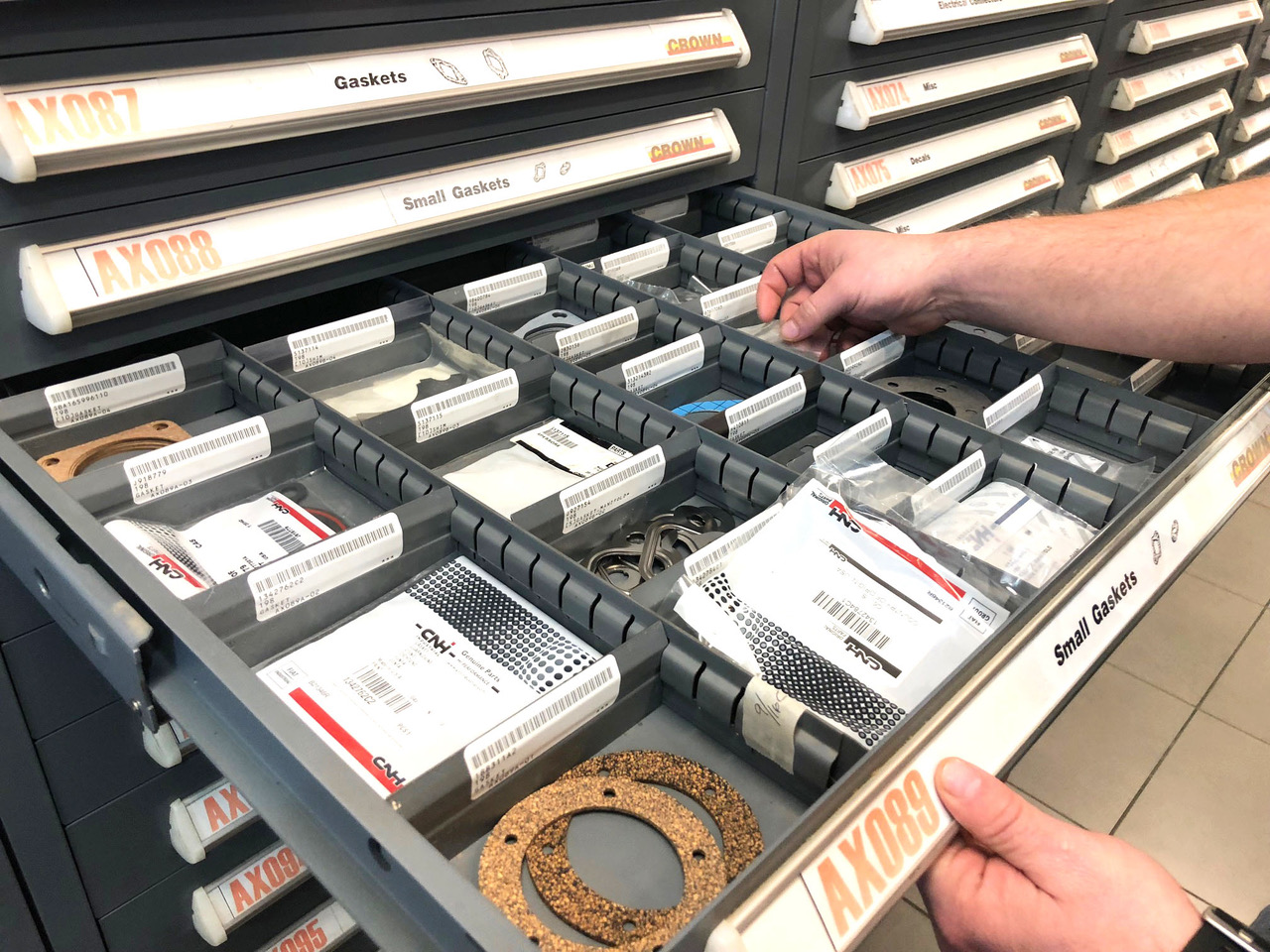
One of the most common harvest delays isn’t a major mechanical failure; it’s waiting on a part that should have been ordered in advance. Belts, chains, concave components, and cutting knife sections are wear items that fail predictably over time. Ordering these ahead of the season, rather than waiting until something breaks mid-harvest, keeps you working instead of waiting on a parts delivery during your busiest weeks.
Crown Power & Equipment stocks a wide range of wear parts for Case IH combines and can help you identify which components are most likely to need replacement based on your machine’s age and hours, so you’re not caught off guard when the header hits the field.
Schedule a Professional Service Check
Even with a thorough self-inspection, having a certified technician run a full pre-harvest service check can catch issues that aren’t obvious during a visual inspection, particularly with hydraulic pressure, electronic calibration, and internal component wear. Many Missouri producers schedule this service check several weeks before harvest begins, leaving enough time to order and install any parts that are found to need replacement. Take advantage of our winter service specials and get it in before next season.
If you need service, parts, or a full pre-harvest inspection for your Case IH combine, Crown Power & Equipment is ready to help Missouri producers get equipped for a smooth harvest.